There is a particular calm to an engine that has just received fresh oil. The idle settles, the throttle feels cleaner, and a machine with miles behind it seems ready to tell another chapter of its story. When considering synthetic oil change vs regular service, the real question is not which bottle has the flashier label. It is whether the oil suits the engine, climate, mileage, and way you drive.
Conventional oil, often called regular oil, is refined from crude petroleum. Synthetic oil is engineered from more refined base stocks and blended with additives designed to resist heat, sludge, and breakdown. Both can lubricate a properly maintained engine, but they behave differently under stress. That difference matters in everything from a commuter Honda Civic to a flat-six Porsche 911.
Synthetic and regular oil: what separates them
A regular oil change is usually the less expensive choice. At many independent shops, conventional service can cost roughly $35 to $70, although vehicle size, location, and oil capacity affect the final bill. Synthetic service commonly runs $65 to $130 or more. A European performance car requiring specialized oil and a larger filter can push beyond that range.
The advantage of synthetic oil is consistency. Its molecules are more uniform, which helps it flow during cold starts and remain stable at high operating temperatures. That is useful when an engine sees winter mornings, long highway climbs, repeated short trips, or spirited driving on a winding road. Synthetic oil can also help reduce deposits in engines with turbochargers, direct injection, or tight internal tolerances.
Regular oil is not automatically poor oil. Many older engines were designed around conventional lubricant, and some owners prefer it because it is affordable and easy to replace frequently. The important detail is following the viscosity and performance specification in the owner's manual. A cheap oil that meets the required standard is safer than an expensive oil that does not.
In the synthetic oil change vs regular debate, the bottle should come second to the manufacturer's specification. Look for the required viscosity, such as 0W-20, 5W-30, or 5W-40, along with the relevant API or manufacturer approval. Those markings tell you far more than a vague premium claim on the front label.
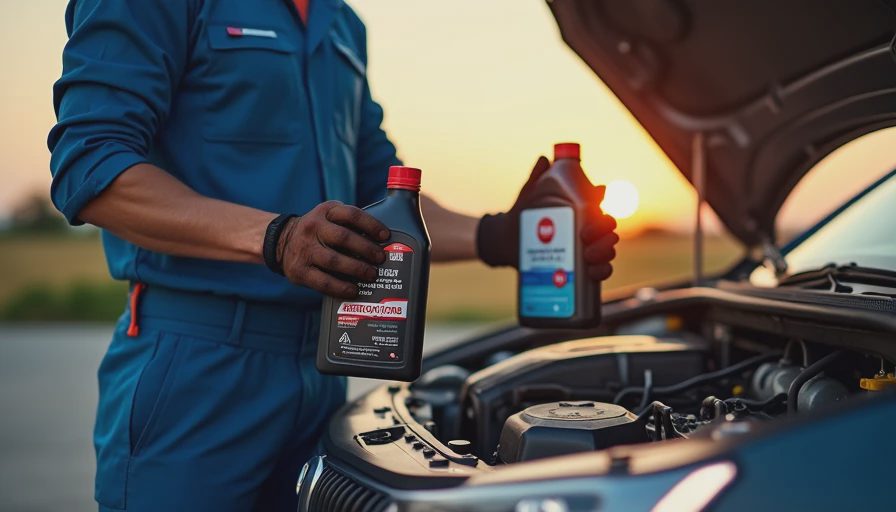
Which engines benefit most from synthetic oil?
Modern engines often make the strongest case for synthetic oil. Turbocharged motors generate substantial heat, while smaller engines are tuned to produce more power from less displacement. A modern Ford Mustang EcoBoost, BMW B58, or Chevrolet Corvette LT2 may have different requirements, but all demonstrate why lubricant quality and the correct specification matter.
Synthetic oil is also a sensible choice for drivers who keep a vehicle for a long time. Cleaner oil can support engine durability, especially when paired with regular filter changes and sensible warm-up habits. It does not repair worn piston rings, cure a leaking seal, or transform an aging engine into a new one. Still, it gives the lubrication system a stronger starting point.
Collectors should pay attention to storage patterns. A vintage Alfa Romeo Spider or air-cooled Porsche that sits for weeks still benefits from oil changed on schedule, not simply when the odometer reaches a target. Short starts and brief garage movements can create moisture and fuel dilution. In those cases, an annual service and a proper drive long enough to reach full operating temperature are more meaningful than chasing an extended interval.
Heritage Note: Older engines have their own language. A 1972 Alfa may appreciate an oil selected for its seals, clearances, and flat-tappet needs rather than a modern formula chosen only because it is synthetic. Period correctness is valuable, but mechanical correctness comes first.
When regular oil still makes sense
For a naturally aspirated commuter with an uncomplicated engine, regular oil can remain a practical option. If the manual permits conventional oil, the car is driven gently, and changes happen on time, there is no automatic need to pay extra for synthetic. A high-mileage vehicle can also require a different formula with seal conditioners, regardless of whether the base oil is conventional or synthetic.
Budget matters. Saving $30 to $60 at each service can be meaningful for a household with several cars. The mistake is extending the interval simply because the oil change costs more than expected. Fresh regular oil is generally a better maintenance choice than overdue synthetic oil. Oil level should also be checked between services; even the best lubricant cannot protect an engine if the crankcase is low.
A synthetic blend occupies the middle ground. It combines conventional and synthetic base oils and is often priced between the two. For some drivers, it offers a reasonable compromise, though it still must meet the vehicle's stated requirements. Ask the service writer what is actually being installed rather than accepting the word "synthetic" without checking the invoice.
Synthetic oil change vs regular for performance driving
From behind the wheel, what stays with you is not a laboratory number but confidence when the engine is working hard. Track sessions, mountain roads, towing, and desert heat place more demand on oil than a steady commute. In those environments, synthetic oil typically provides a wider margin against thermal breakdown and can maintain its protective properties more consistently.
That does not mean a synthetic oil change makes a stock vehicle faster. It will not add horsepower like a tune, improve braking, or replace a cooling-system repair. Its value is protection and stability. For a BMW M2 used on occasional track days, the correct approved synthetic oil and a shorter change interval are usually more important than choosing the most expensive brand on the shelf.
Brands such as Mobil 1, Castrol, Valvoline, Pennzoil, and Liqui Moly offer products for different applications. The right decision depends on the exact product specification, not brand loyalty alone. Some manufacturers require their own approval standards, and warranty documentation can depend on using oil that meets those requirements.

How to choose your next oil service
Start with the owner's manual or the manufacturer's online service information. Confirm viscosity, oil type, capacity, filter part number, and the recommended interval. Then consider how the car is used. Frequent short trips, heavy traffic, hot weather, cold starts, towing, and track driving all justify a more conservative maintenance plan.
Next, compare the complete service price. A quote should identify the oil grade, quantity, filter, labor, and disposal fee. A $49 special may cover five quarts of conventional oil but not the seven or eight quarts required by a larger engine. Ask whether the shop resets the maintenance reminder and checks for leaks without turning the visit into an unnecessary repair list.
For many newer vehicles, synthetic is the straightforward choice because the factory requires it. For an older, lightly used car that permits conventional oil, regular oil can be perfectly serviceable. If the engine has high mileage, ask about a high-mileage formulation and watch for consumption between changes.
The practical verdict for your car
The best answer in the synthetic oil change vs regular discussion is the oil that matches the engine's specification and your maintenance habits. Choose synthetic when the manufacturer requires it, when the engine runs hot, or when demanding driving makes extra thermal stability worthwhile. Choose regular oil when the vehicle permits it and frequent, correctly performed changes keep the engine protected.
Do not let a low service price become false economy, and do not assume synthetic oil grants permission to ignore the maintenance schedule. Keep receipts, record mileage, inspect the level monthly, and pay attention to new noises, smoke, or warning lights. A well-maintained Miata deserves the same thoughtful care as a 911 GT3.
Every car has a story. Here's this one: choose the lubricant that respects the chapter your engine is living through, then give it the consistent service that lets the next chapter begin cleanly.