Inside the F 22 Raptor Cockpit: A Fighter Jet That Inspired Supercar Design
Climbing into the F 22 Raptor cockpit is like stepping into a future that arrived twenty years ago. The canopy closes around you, and suddenly the world outside becomes a theater of sensors and symbology. As a car enthusiast, I couldn't help but draw parallels to the most driver-focused cockpits I've ever sat in—a McLaren Senna, a Porsche 918 Spyder, even an Alfa Romeo 4C. Every car has a story. Here's this one: how the F 22 Raptor cockpit redefined what a pilot's environment could be, and how that thinking trickled down into the cars we love.
The Design Philosophy of the F 22 Raptor Cockpit
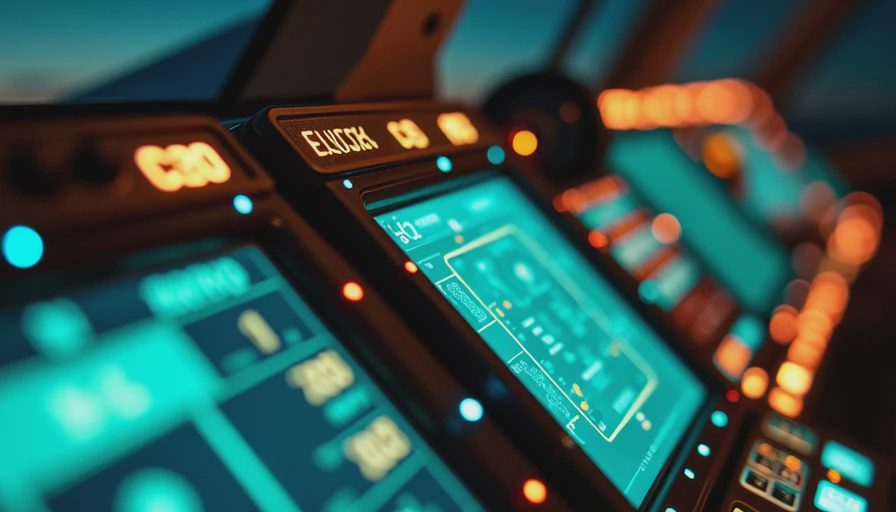
The F 22 Raptor cockpit was designed from the start to reduce pilot workload. Instead of a sea of analog gauges, it introduced a fully digital "glass cockpit" with two large color multifunction displays (MFDs) and a wide-field-of-view holographic head-up display (HUD). The logic is simple: present the most critical information where the pilot's eyes naturally go, and declutter everything else. That same philosophy shows up in the latest supercars—think of the Ferrari SF90 Stradale's configurable digital dash or the Lamborghini Huracán Tecnica's centralized screen. Both prioritize glanceable data over button count.
Glass Cockpit Technology and Displays
The heart of the F 22 Raptor cockpit is its two 20.3-centimeter MFDs. They display navigation, systems status, threat data, and aircraft control inputs. Pilots can customize the layout, just as a driver can now choose a track-focused display mode in a BMW M4. The F-22 also pioneered the use of touchscreen-like interaction via bezel buttons—a precursor to today's haptic steering wheel controls. Heritage Note: The same move toward fewer physical switches that we see in the new Ferrari Purosangue has roots in the fighter jet's approach to reducing pilot distraction.
Helmet-Mounted Cueing and Pilot Awareness
One of the most groundbreaking features of the F 22 Raptor cockpit is the helmet-mounted cueing system. The pilot simply looks at a target, and the sensors follow. It turns the pilot's head into a weapon-aiming device. In car terms, it's like having a head-up display that shows your apex point before you even turn the wheel—a level of intuitive response that automakers are chasing with augmented-reality windshields. The upcoming Porsche Macan EV is rumored to include an AR HUD that overlays navigation arrows directly onto the road ahead. That's the F-22 influence, pure and simple.
How Automotive Cockpits Borrow from Fighter Jets
The cross-pollination between aviation and automotive design is well documented. The Corvette C8's cockpit wraps around the driver like an F-22 cockpit, with a high center console and button-heavy steering wheel. The McLaren Speedtail's Digital Instrument Cluster adapts the F-22's minimalist approach—three screens, no clutter. Even the Toyota Supra (A90) takes a nod from the fighter jet world with its driver-centric layout. These aren't coincidences. Automakers hire aerospace engineers and study cockpit ergonomics to make drivers feel more connected and confident.
Comparing the F 22 Raptor Cockpit to a Supercar Interior
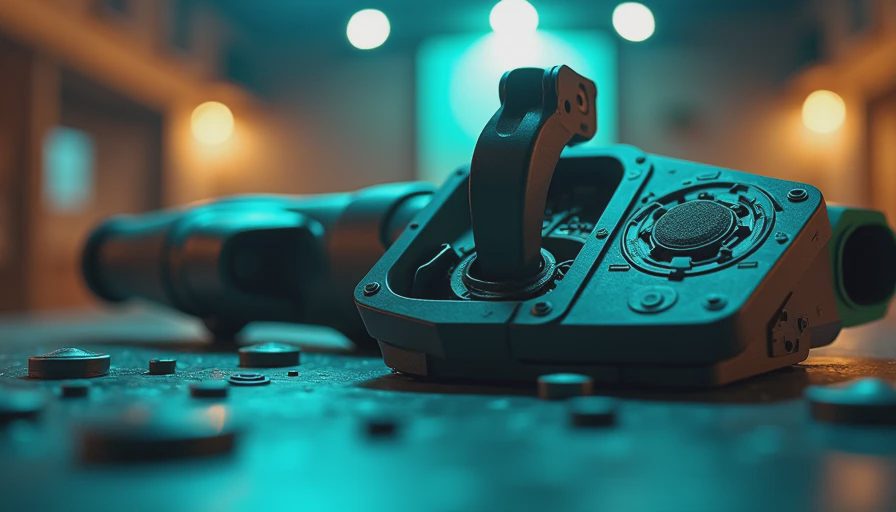
Sitting in the F 22 Raptor cockpit, you notice how every control falls exactly where your hand expects it. The throttle and stick are perfectly positioned, and the displays sweep across your field of view in a natural arc. Compare that to a Ferrari 812 Superfast: the steering wheel has a red manettino, the start button is on the wheel, and the gauges are a central tach flanked by screens. Both cockpits were designed for one thing—letting the pilot/driver focus on performance. The F-22 goes 1,500 mph; the Ferrari goes 211 mph. The principles are identical: minimize distraction, maximize instinct.
Why Car Enthusiasts Should Care About Fighter Cockpits
If you love driving, you care about what you see and touch behind the wheel. The F 22 Raptor cockpit isn't just a military curiosity—it's a textbook example of ergonomic brilliance. Every time you adjust a seat, scan a display, or flick a paddle shifter, you're benefiting from decades of aviation refinement. The next time you step into a modern sports car, take a moment to appreciate the lineage. From the F-22 to the Ferrari, from the cockpit to the cabin, the goal is the same: make the machine an extension of yourself. Three generations later, this is still the car—or the jet—that that feeling belongs to.
Cockpit Features Checklist: What to Look For
When evaluating a car interior influenced by the F 22 Raptor cockpit, keep these five features in mind. First, look for a configurable digital display that puts key data directly in your line of sight, just like the F-22's MFDs. Second, check for a head-up display that projects speed and navigation onto the windshield—a direct descendant of the fighter jet's HUD. Third, assess the steering wheel controls: they should be intuitive and require minimal hand movement, much like the throttle and stick setup. Fourth, consider seat ergonomics and the wrap-around feel; a cockpit that hugs the driver reduces distraction and improves focus. Finally, evaluate the overall button count—fewer switches mean less clutter, a hallmark of the F 22 Raptor cockpit design. Cars like the Porsche 911 GT3 RS and the Chevrolet Corvette Z06 exemplify these traits, offering a driver-focused environment that champions performance. By prioritizing these elements, automakers ensure that every journey feels like a mission-ready flight.